
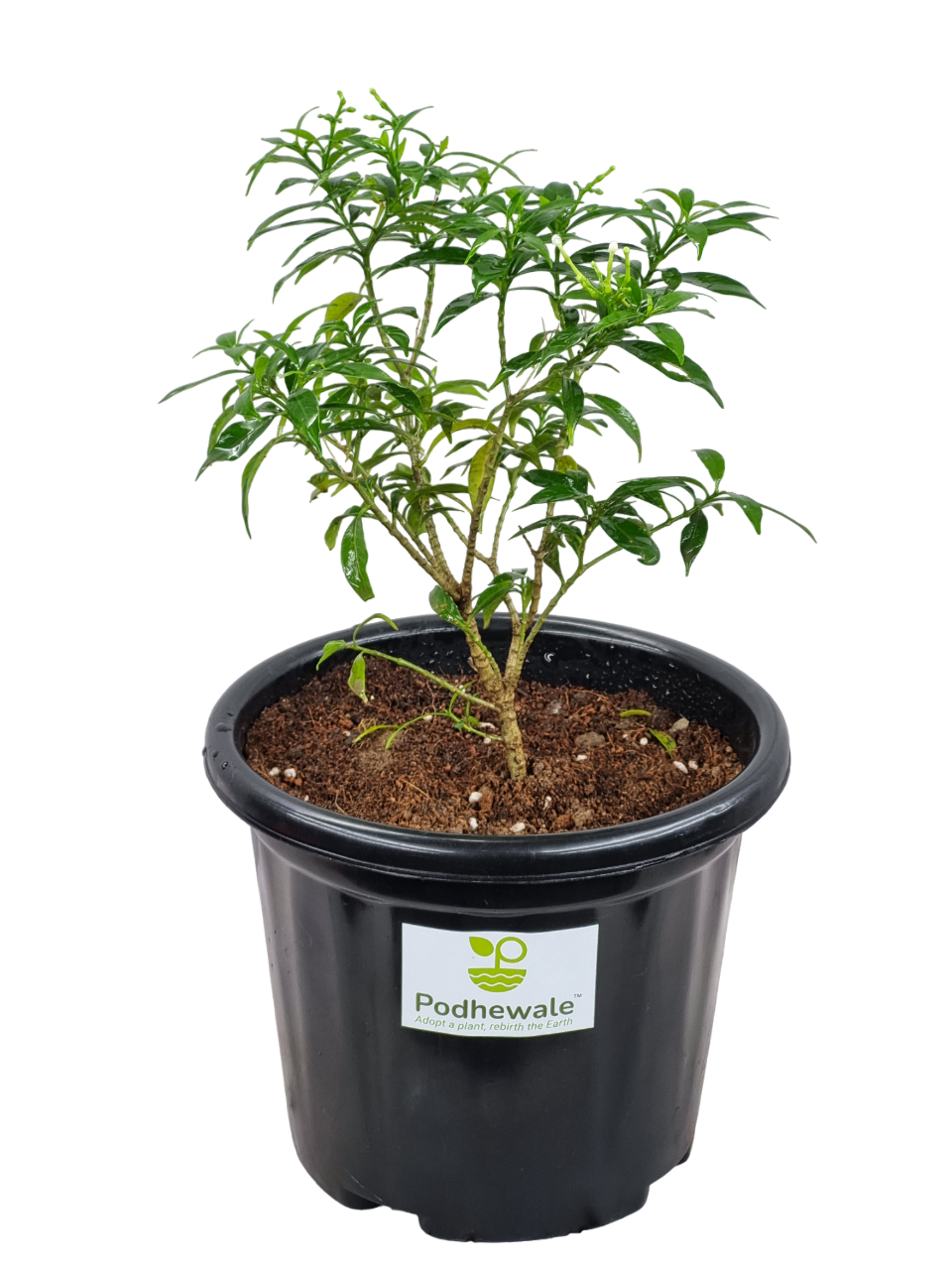
The Pinwheel Flower (commonly known as Crape Jasmine or Tabernaemontana divaricata) has very different needs compared to the Fraser Fir because it is a tropical evergreen shrub.Based on the categories you provided, here is how you should care for a Pinwheel Flower:LightLike the Fraser Fir, the Pinwheel Flower thrives in full sun to partial shade. However, to produce its iconic white flowers, it needs at least 4–6 hours of sunlight. In extremely hot climates, providing some afternoon shade is beneficial to prevent the leaves from scorching, though it generally loves the heat much more than a fir tree does.SoilIt prefers well-draining, fertile soil that is rich in organic matter. While the Fraser Fir likes slightly acidic soil, the Pinwheel Flower is fairly adaptable but performs best in acidic to neutral pH. Unlike the fir’s shallow roots, this shrub develops a more robust root system, but keeping the area around the base free of heavy weeds still helps it absorb nutrients better.WaterAdequate irrigation is key, especially during the blooming season.Establishment: Just like the fir, a newly planted Pinwheel Flower needs consistently moist soil (not waterlogged) to establish its roots.Mature Plants: Once established, it is moderately drought-tolerant but flowers best if the soil is kept consistently moist. During peak summer, you may need to water it daily; in winter, you can significantly reduce watering.Temperature and HumidityThis is the biggest difference from the Fraser Fir. While the fir loves "cool, damp, foggy mountains," the Pinwheel Flower loves tropical heat and high humidity. It is sensitive to frost and cold; if temperatures drop too low, it may drop its leaves or stop blooming. It thrives in warm, humid lowlands.FertilizerUnlike the Fraser Fir (which can grow weak with too much feeding), the Pinwheel Flower is a moderate feeder. To encourage heavy blooming, you should apply a balanced organic fertilizer or a compost tea once a month during the growing season (Spring to Autumn). You should stop fertilizing in the winter when the plant goes into a semi-dormant state.


We want to give you 10% discount for your first order,
Use discount code at checkout
