
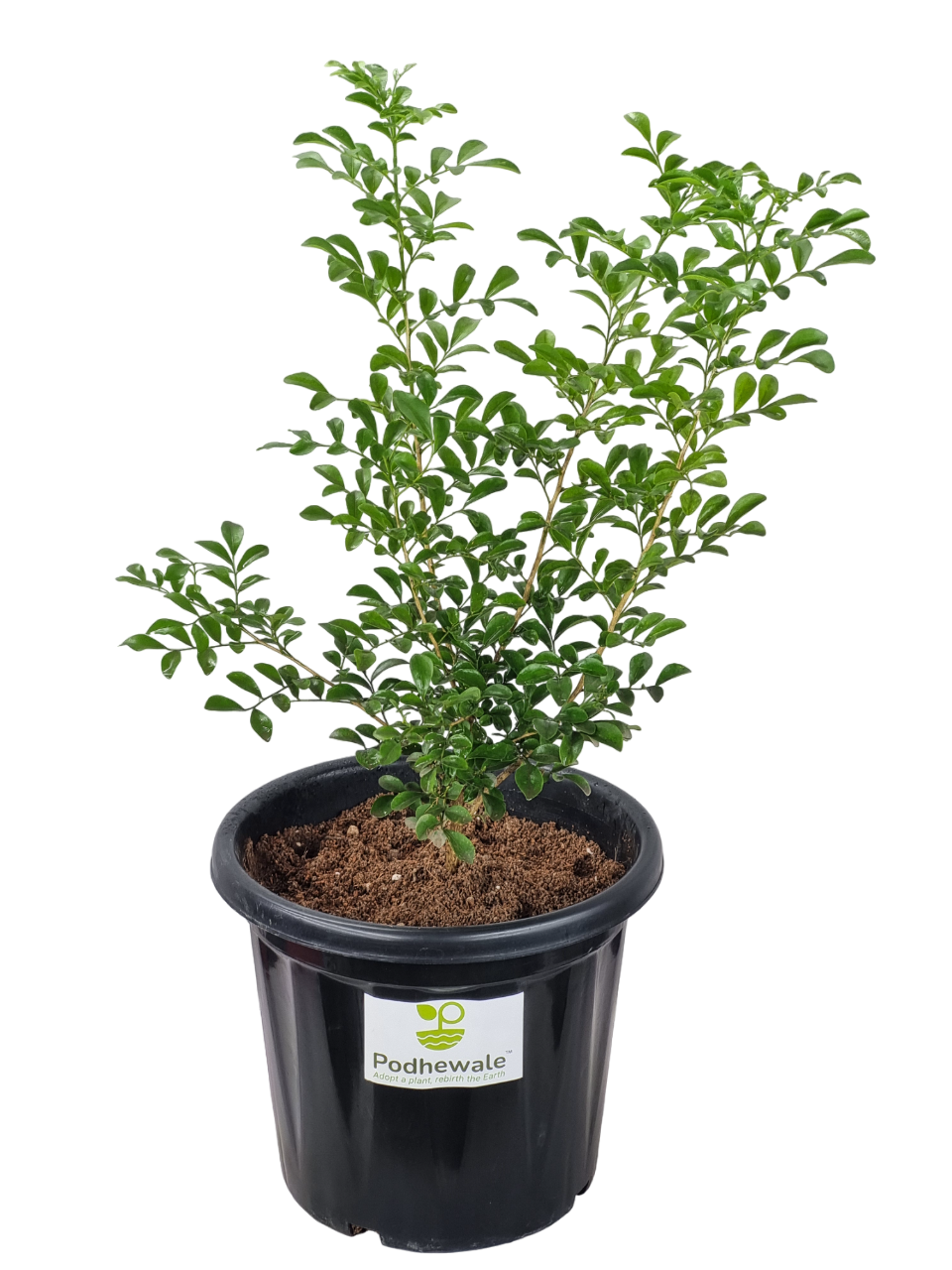
Light Orange jasmine plants require protection from hot, direct sunlight. Locate the plant where it receives morning sunlight and afternoon shade or where it will get dappled sunlight or shade all day. Soil Plant orange jasmine in well-drained soil free of nematodes (roundworms). Well-drained soil is critical, as orange jasmine doesn’t do well in waterlogged soil. If your soil lacks drainage, improve soil conditions by adding organic material such as compost, chopped bark, or leaf mulch. The shrub thrives in moderately acidic, neutral, or alkaline soil with a pH between 6.6 and 7.5. Water Water orange jasmine plants deeply whenever the top two inches of soil feels dry. Generally, one inch of water per week is about right. However, more frequent irrigation may be needed if you live in a hot climate or the plant is in a container. Never allow it to stand in muddy soil or water. Temperature and Humidity As tropical plants, orange jasmine does best in humidity above 50 percent and must have temperatures above 40 degrees Fahrenheit, as they are not frost-tolerant. The plant can tolerate lower levels of humidity. Fertilizer Feed orange jasmine plants once every three to four weeks throughout the growing season (spring through fall), using a fertilizer designed for evergreen plants. Alternatively, apply a balanced, water-soluble fertilizer formulated for evergreen shrubs if the plant is in a container. For the amount to use, follow the product label instructions.


We want to give you 10% discount for your first order,
Use discount code at checkout
